Locations
Leeds
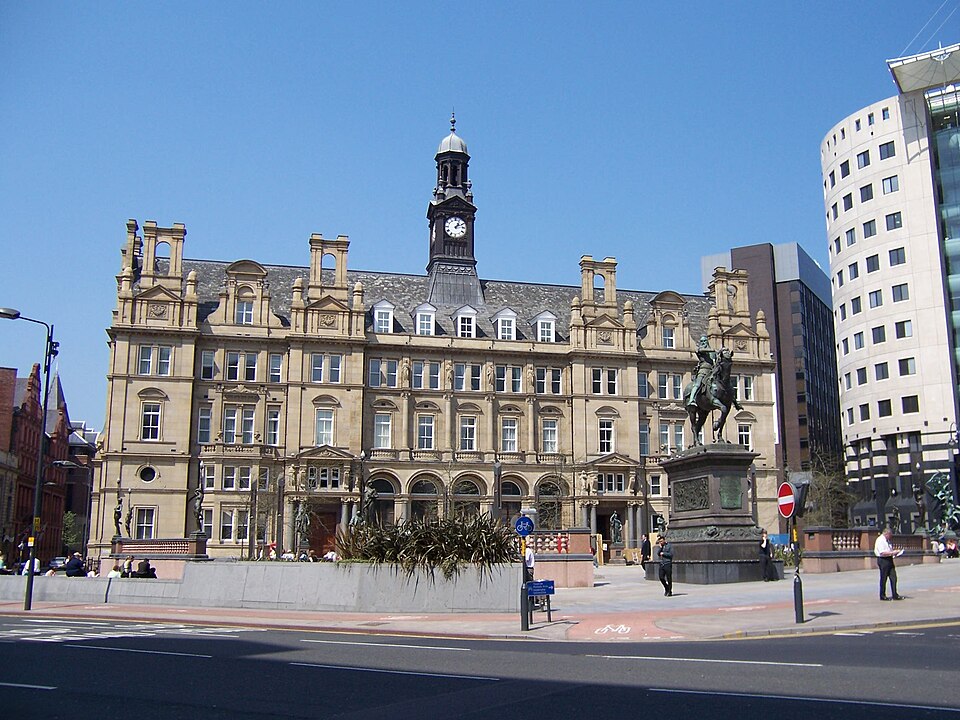
Leeds is one of England's most compelling industrial success stories, yet its origins were surprisingly modest — a small manorial town on the River Aire that transformed itself into a global powerhouse almost entirely through textiles. By the mid-19th century, Leeds had become the undisputed world capital of ready-made clothing, its factories churning out more off-the-peg suits than anywhere else on earth. That entrepreneurial spirit left a remarkable retail legacy: Marks & Spencer was born here when Michael Marks opened his Penny Bazaar stall at Kirkgate Market in 1884. That very market still operates today and holds the distinction of being the largest covered market in Europe, its magnificent Victorian ironwork roof still drawing visitors who often have no idea what they're walking into.
The city's architecture tells a story of extraordinary ambition. The Corn Exchange, built in 1864, features an elliptical roof so structurally innovative it was considered an engineering marvel of its era. Leeds Town Hall, opened by Queen Victoria herself, was deliberately designed to rival anything in London, a bold statement from a city determined to be taken seriously.
Culturally, Leeds punches well above its weight. It has produced an unusually high concentration of influential musicians, including The Kaiser Chiefs, Sisters of Mercy, and Marc Almond, and its independent music scene continues to thrive. The city is also home to one of Europe's finest collections of watercolour paintings, held at Leeds Art Gallery, a fact that surprises many visitors expecting industry rather than art.
Geographically, Leeds sits at the dead centre of the UK, yet despite being the country's third-largest metropolitan economy, it remains the largest city in Western Europe without a direct rail connection to a major airport — a peculiarity that urban planners and politicians have debated for decades without resolution.
Rotherham
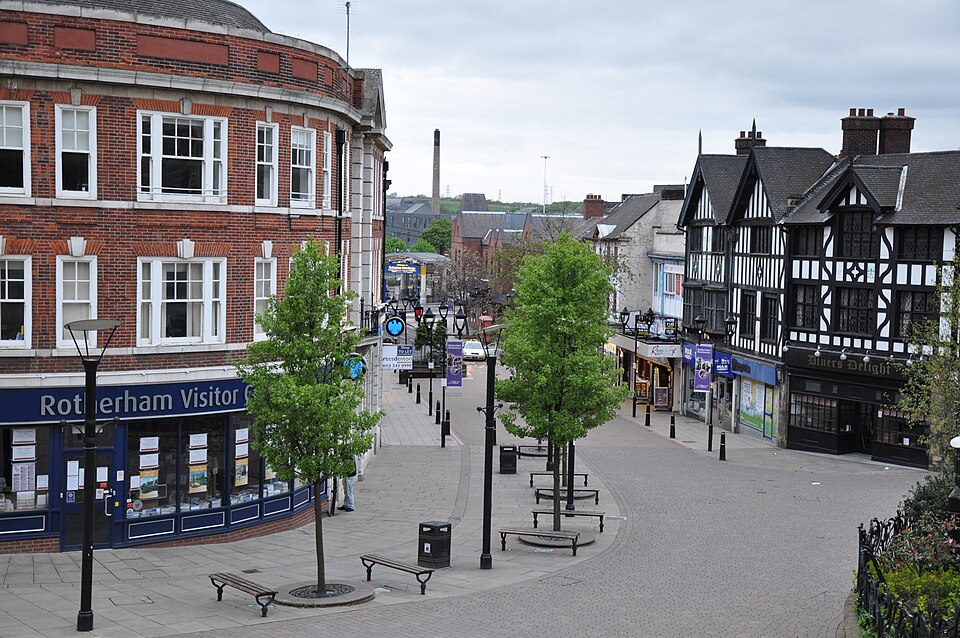
Rotherham is a large town and metropolitan borough situated in South Yorkshire, England, lying just a few miles east of Sheffield along the banks of the River Don. With a population of around 265,000 people, it is one of the larger urban areas in Yorkshire and has a history stretching back to Roman times, when a fort known as Morbium was established in the area.
The town's identity was shaped almost entirely by its industrial heritage. From the 18th century onwards, Rotherham became a powerhouse of steel and iron production, earning a reputation as one of the most important centres of heavy industry in the entire country. Companies such as Steel, Peech and Tozer and the Park Gate Iron and Steel Company brought employment and prosperity to the region, though the dramatic decline of the steel industry in the latter half of the 20th century left the town grappling with significant economic challenges that it continues to address today.
Despite this, Rotherham has much to offer visitors and residents alike. Rotherham Minster, a beautiful medieval church dating back to the 15th century, stands proudly at the heart of the town centre and is one of the finest examples of Perpendicular Gothic architecture in the north of England. Clifton Park, a much-loved Victorian public park, provides green space and houses a local museum. The town is also home to Rotherham United Football Club, affectionately known as the Millers, who compete in the English Football League and carry fierce local pride. Regeneration projects in recent years have brought new investment and ambition to the borough.
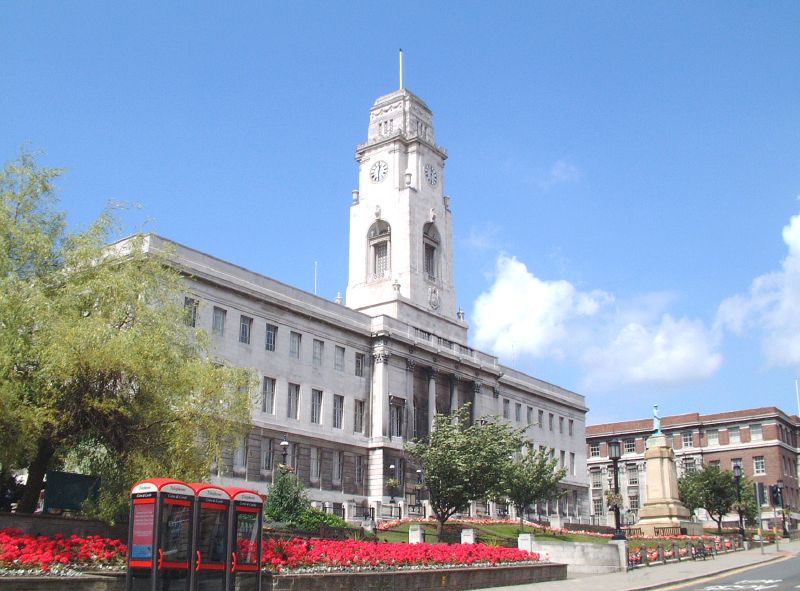
Barnsley
Barnsley is a metropolitan borough and market town located in South Yorkshire, sitting roughly equidistant between Sheffield to the south and Leeds to the north. Home to approximately 245,000 residents across the wider borough, Barnsley has a bold, unpretentious character that reflects the proud working-class communities who have called it home for generations.
Like much of South Yorkshire, Barnsley's story is deeply intertwined with the coal mining industry. For well over a century, the town and its surrounding villages were sustained by a network of collieries that provided livelihoods for thousands of families. The miners of Barnsley became synonymous with resilience and solidarity, a spirit that was tested profoundly during the 1984–85 Miners' Strike, one of the most significant industrial disputes in British history. The closure of the pits through the 1980s and 1990s left lasting scars on the local economy and community fabric, though Barnsley has worked steadily to reinvent itself in the decades since.
The town centre has undergone considerable regeneration, with the Glassworks development breathing new life into the retail and cultural offer. Barnsley's market, one of the largest in Yorkshire, remains a focal point for locals and draws visitors from across the region. The Experience Barnsley museum, located within the town hall, offers a fascinating insight into local history and heritage.
Barnsley is also passionate about sport, with Barnsley Football Club — the Tykes — holding a cherished place in the community. The surrounding countryside, including the Dearne Valley and parts of the Trans Pennine Trail, provides excellent walking and cycling opportunities just a short distance from the urban centre.